



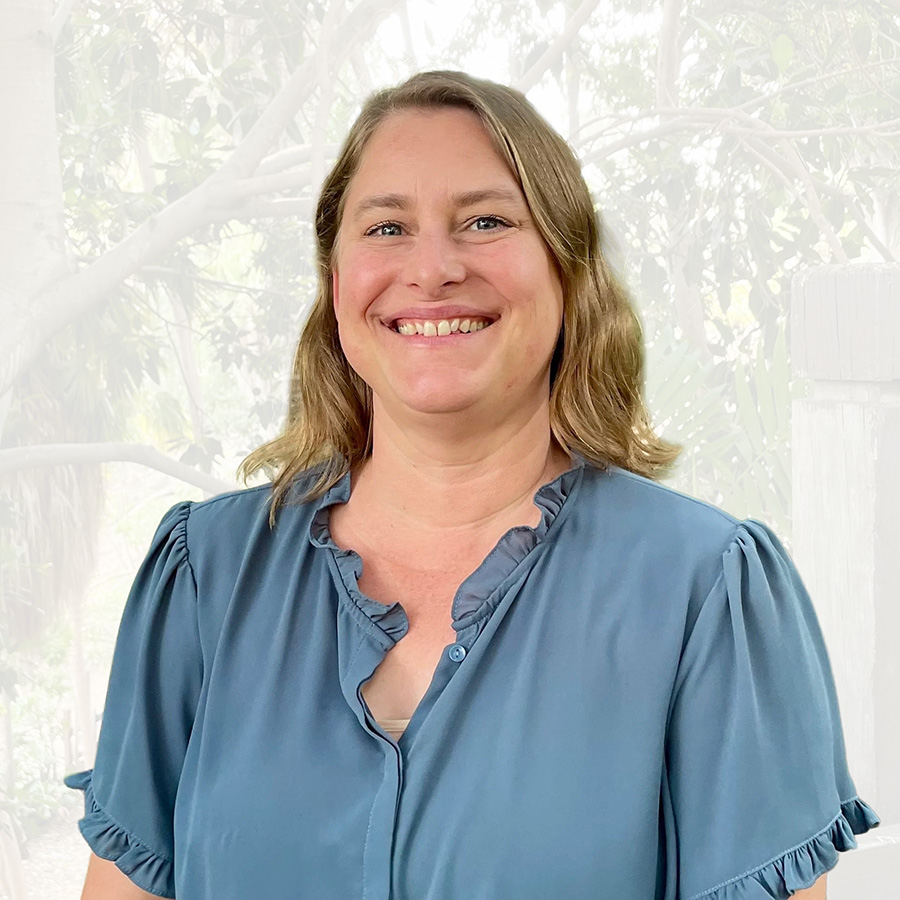
I never planned to spend 22 years in the insurance industry.
In 1999, after attending a job fair and passing several tests, I took a job as a claims intake specialist because I needed steady work and health benefits. I was curious, detail-oriented, and good with people—skills that served me well in those early days answering phones and routing claims.
What I didn’t expect was to fall into a decades-long education in how the insurance industry really works.
Those first years were my crash course in insurance evaluation. I learned:
By 2002, I became a bodily injury claims adjuster, handling dozens of cases daily. This is where I first encountered Colossus—the software that would later become central to my expertise. I learned to input case details, interpret the valuations it generated, and understand the factors that drove those numbers up or down.
I was becoming fluent in the language insurance carriers speak.
By 2005 I was promoted to my first Litigation Specialist role where I first started processing claims I had handed pre-litigation after litigation was initiated working with defense firms across the country.
As a Sr. Field Bodily Injury adjuster, I continued processing complex cases—serious injuries, disputed liability, higher settlement values. I negotiated with attorneys daily, learning their strategies, their mistakes, and what made some consistently more effective than others.
I was taught how to be a field adjuster, taking me out of the office and into real-world investigations. I:
As a field investigator, I learned how carriers identify and investigate potential fraud—not just obvious cases, but the subtle patterns and inconsistencies that trigger heightened scrutiny. I saw firsthand how documentation quality could make or break a legitimate claim.
I was seeing the full picture of how carriers evaluate, investigate, and value claims.
My final role once again as a Litigation Specialist, again, gave me insight into the most contentious cases—those that were believed couldn’t be settled, or the ones where the carrier wanted to send a message, and were heading to trial. As a litigation specialist, I:
All of the roles I held showed me the gaps between what carriers know and what plaintiff attorneys typically understand about carrier evaluation and investigation methods.
I saw talented plaintiffs attorneys working twice as hard and leave money behind because they didn’t know what I knew.
After 22 years working, I’d built a successful career in insurance. I knew the systems, understood the software, and could predict carrier behavior with remarkable accuracy.
But something had been bothering me for years.
I watched claim after claim where legitimate injuries were undervalued because of fixable documentation problems. I saw attorneys submit demands that inadvertently triggered fraud flags, reducing their clients’ settlements. I witnessed good cases with preventable weaknesses that carriers exploited. I saw how my creation of near perfect claim files based on the parameters set by the carrier was hurting injured people even further.
And I realized: I was on the wrong side.
Not because insurance carriers are evil—they’re not. They’re businesses following systems and guidelines are designed to protect their bottom line. That’s their job.
But someone needed to be explaining those systems to the attorneys representing injured people. Someone who’d spent decades inside, who understood the evaluation software, who knew which documentation gaps mattered and which didn’t, who could predict how carriers would respond to different negotiation strategies.
Someone like me.
In 2022, I made the decision to leave insurance and start Red Stapler Project.
If you’ve seen the movie “Office Space,” you know the red stapler represents something important: refusing to let bureaucracy strip away what matters.
In the film, Milton’s red stapler is the one thing he holds onto in a dehumanizing corporate environment. It represents dignity, individuality, and pushing back against systems that treat people as numbers.
That’s exactly what Red Stapler Project does.
Insurance carriers have sophisticated systems designed to evaluate claims efficiently—but efficiency often comes at the cost of humanity. Colossus doesn’t account for how an injury changed someone’s relationship with their child. Evaluation matrices don’t capture what it’s like to lose independence or live with chronic pain.
I named this business Red Stapler Project because:
Plus, it makes people smile. In an industry that can be frustrating and adversarial, a little levity goes a long way.
I didn’t leave insurance because I hate insurance professionals—many are good people doing their jobs. I left because I wanted to help balance the scales.
My approach is never about demonizing the other side or creating conflict. It’s about:
Kindness isn’t weakness. It’s strategic. Adjusters respond better to attorneys who understand their position and negotiate respectfully. Plus, being a jerk is exhausting, and life’s too short.
This applies to everyone—plaintiff attorneys, defense attorneys, adjusters, claimants, everyone.
The insurance claims process is adversarial by nature, but it doesn’t have to be needlessly combative. I’ve seen negotiations break down not because of case weakness, but because someone’s ego got in the way.
I work with attorneys who:
My goal is to help you negotiate powerfully while maintaining your integrity and professionalism.
After 22 years evaluating claims, I learned something crucial: the best negotiators understand both sides.
Empathy means:
This isn’t about sympathizing with carriers. It’s about strategic intelligence. When you understand their perspective, you can:
Empathy is my superpower because it allows me to help you negotiate from a position of deep understanding—not just experience, but actual insider knowledge of what carriers need to see to justify higher settlements.

Not just what insurance carriers initially offer. Not what’s “reasonable” by industry standards that were designed to minimize payouts. What their injuries actually cost them in medical bills, lost wages, pain, and disrupted lives.
You represent people at their most vulnerable, often against corporations with unlimited resources and decades of institutional knowledge. That imbalance isn’t fair, and it’s not inevitable.
Insurance carriers guard their evaluation methods like trade secrets. I think plaintiff attorneys should understand those methods just as well as adjusters do. Knowledge shouldn’t be hoarded—it should be shared to create fairer outcomes.
I’m not anti-insurance. I’m pro-fairness. Carriers serve an important function, and most adjusters are doing their best within the constraints they’re given. But those constraints shouldn’t be invisible to the attorneys representing claimants.
I’ve spent 22 years working on the inside building specialized knowledge, but that doesn’t make me better than anyone else. It gives me a responsibility—to share what I know in ways that are accessible, actionable, and respectful.
Every file I review represents someone’s pain, loss, and struggle to rebuild. I never forget that, even when analyzing their case through the cold lens of Colossus algorithms and settlement matrices.

Colossus Claims Software
California Insurance Regulations
Medical Records Analysis
Case Valuation Methods
Fraud Detection Systems
Negotiation Tactics
Documentation Standards
Litigation Positioning
Carrier Behavior Patterns
Red Stapler Project isn’t for everyone. I work best with plaintiff attorneys who:
✓ Are committed to maximizing client outcomes – Not just getting cases settled, but getting them settled for what they’re actually worth
✓ Value strategic preparation – You understand that pre-demand positioning is worth the investment
✓ Are open to learning – You don’t need to be a Colossus expert, but you’re willing to understand how carriers think
✓ Practice with integrity – You’re aggressive advocates for your clients without compromising ethics
✓ Handle personal injury cases in California – Primarily auto accidents, premises liability, general bodily injury
✓ Want a collaborative partner – Not just a consultant who drops off a report, but someone invested in your success
To be clear about boundaries, I:

Location:
La Mesa, California
San Diego County
Service Area:
I work with plaintiff attorneys throughout California, both in-person and remotely.
How I Work:
Response Times:
After spending decades in conference rooms and behind computer screens, I’ve learned the importance of balance and perspective.
Outside of Red Stapler Project, you’ll find me:
I believe in bringing my whole self to this work – not just my expertise, but my humanity. That’s what makes Red Stapler Project different from corporate consulting firms. You’re not just hiring my knowledge; you’re partnering with someone who genuinely cares about your success and your clients’ outcomes.
Professional Associations:
Speaking & Education:
Industry Engagement:
Whether you’re working on a complex case that needs strategic positioning, you’re frustrated with inexplicably low settlement offers, or you want to train your team to negotiate more effectively—I can help.
The first step is simple: let’s talk.
In a free 30-minute consultation, we’ll:
No pressure. No obligation. Just a conversation between professionals about how insider knowledge could benefit your practice.
“I spent 23 years learning how insurance carriers evaluate claims. Now I’m spending the rest of my career making sure plaintiff attorneys know it too. Because fairness shouldn’t depend on information asymmetry—it should depend on the facts of the case and the quality of representation.
Let’s work together to get your clients what they deserve.”
— Renée Soileau

Serving plaintiff attorneys throughout California




© 2026 Red Stapler Project. All rights reserved.
Professional consulting services for plaintiff attorneys.
Disclaimer: Red Stapler Project provides consulting and educational services. We do not practice law, serve as expert witnesses, or provide legal advice. All services are designed to support attorneys in their representation of clients.